1000x920 copy [PNG].png)
Aesthetics
Discover how our Aesthetics programme uses Art and Music to spark creativity and deepen students' appreciation of culture.
Our Goal:
Our students are enthusiastic participants and an appreciative audience of the Arts.
Our Mission:
To create a vibrant arts culture to expose, engage and excite our student
Our Aim:
Every child to:
enjoy Art
communicate visually, and
make meaning through connecting with society and culture
The value of art in the curriculum:
Art expands imagination, enhances creativity and develops adaptability
Art builds students’ capacity to critically discern and process visual information, and communicate effectively
Art fosters students’ sense of identity, culture and place in society
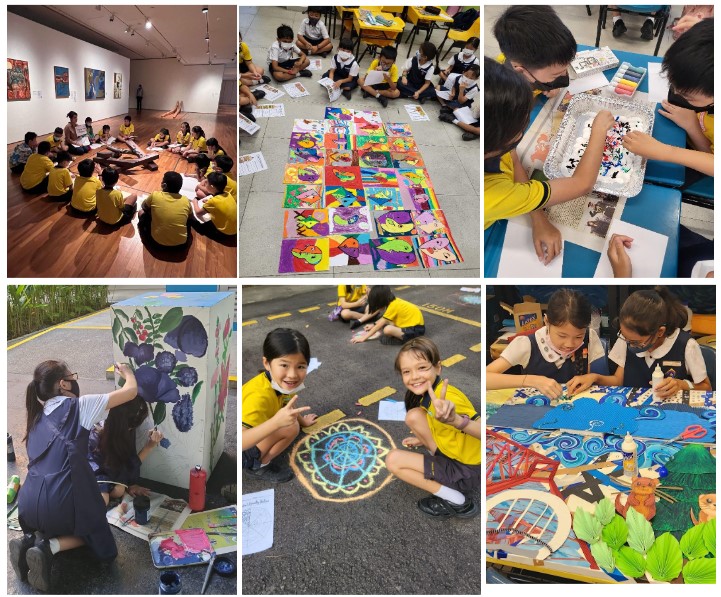
Range of Art Forms and Media covered in PGVP:
Painting (Watercolour, Acrylic, Chinese Ink)
Mixed media (Collage, assemblage or various media mixed together)
New Media (Photography, Digital Design, video art e.g. animation, Claymation, stop motion)
Sculpture (pottery, ceramics, assemblage, paper, plastic)
Printmaking (Linocut, block-printing)
Textile (Batik, marbling, stamping)
Key Programmes:
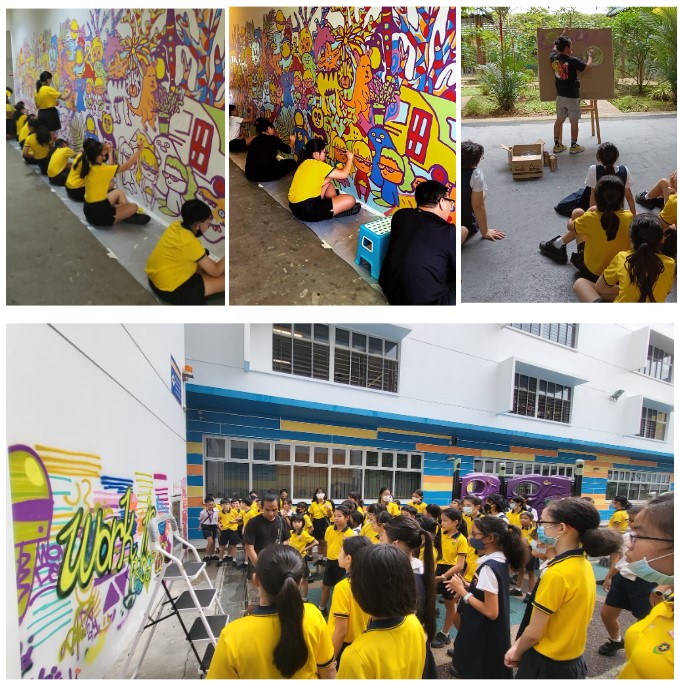
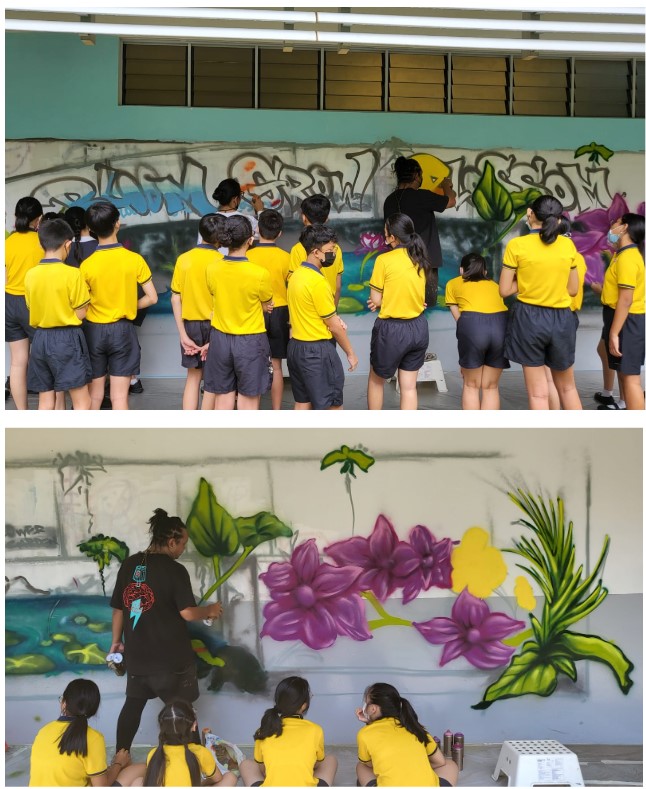
Partnering with local artists for Artist Talk, post-PSLE Artist Immersion Mural Programme and Artist-In-School-Scheme (AISS):
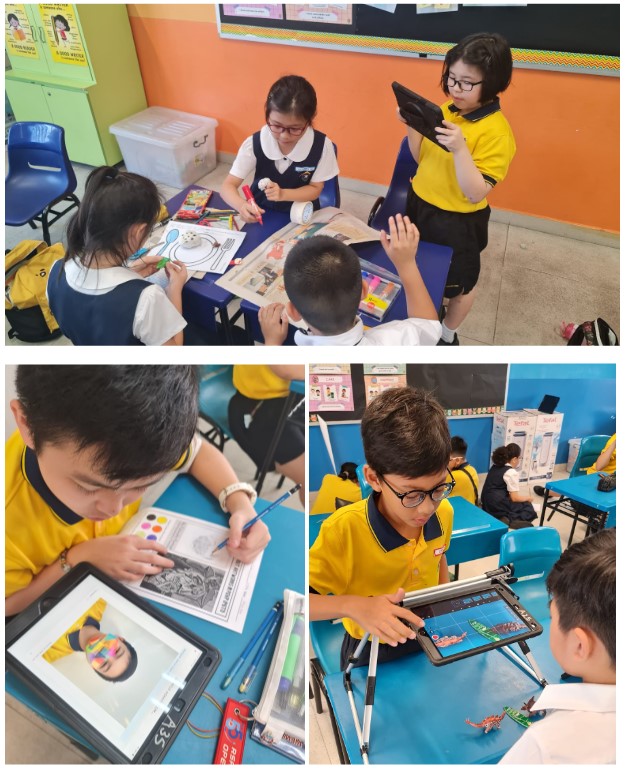
Using Technology to transform the Art Classrooms(New Media, StopMotion, Electronic Portfolio)
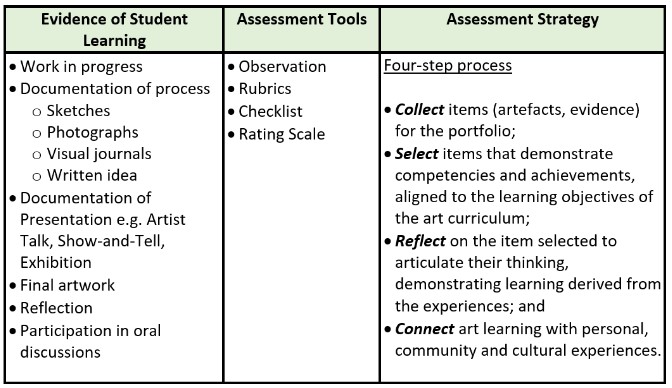
Key Assessment Areas:
PGVP 2023 Virtual Arts Showcase:
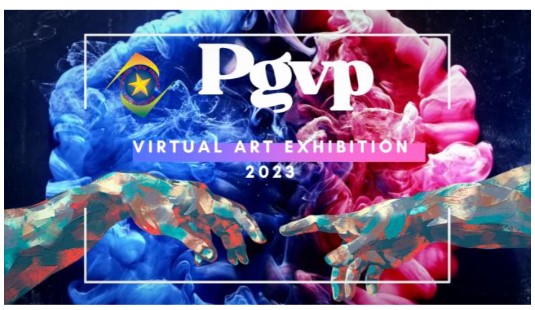
https://www.artsteps.com/view/6546565d87790ec5b8fcb95c (opens in new tab)

Music Learning Framework
The music curriculum is anchored on creating direct experiences in Listening and Responding, Creating and Performing Music. It is through these music-making activities, at the end of six years of music education, students develop
• an awareness and appreciation of music of various cultures,
• an ability for creative expression and communication through music, and
• an understanding of music elements and concepts.
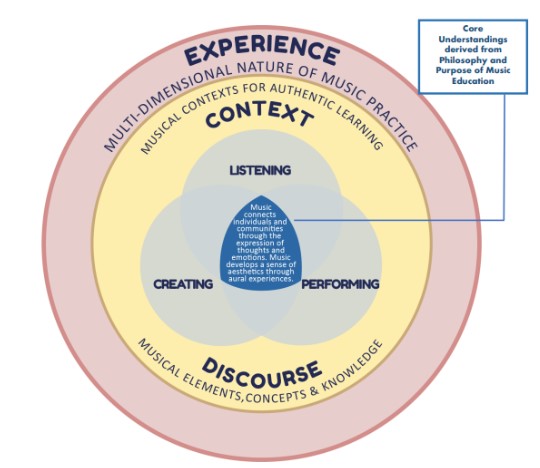
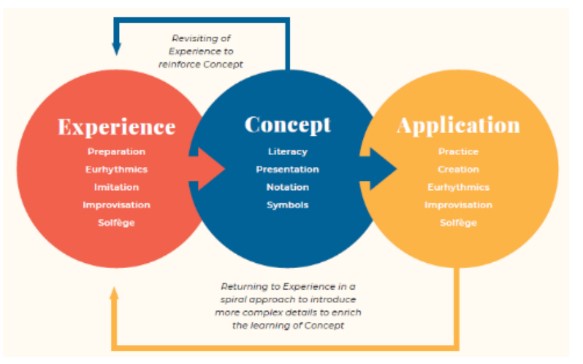
Music lessons are planned and delivered using the Experience – Concept – Application (ECA) approach.
In the Experience phase, students experience and perceive a new concept through singing and accompanying kinaesthetic, aural and visual activities usually in the form of games. This phase provides a stimulus and preparation for the concept to be introduced. It also enables the teacher to reach out to the different learning styles and needs in a class.
In the Concept phase, the teacher helps students to relate the activities in the Experience phase to formal learning. It allows students to make sense of the prior activities and to understand the musical concept.
The Application phase involves various forms of practice and reinforcement. It also helps to develop critical and creative thinking while extending our students’ learning.
Our Music Curriculum:
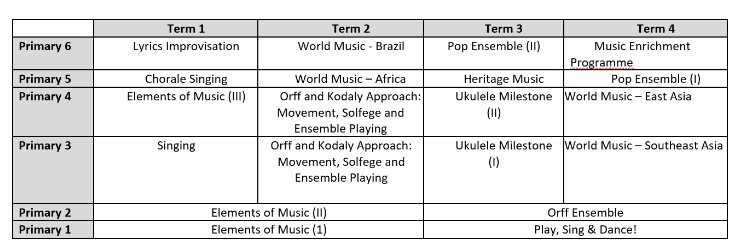
The three Core Understandings that enable our PGVP students to find relevance and purpose in their music learning are:
Music expresses our experiences and values
Music connects individuals and communities
Music is shaped by historical, social and cultural contexts
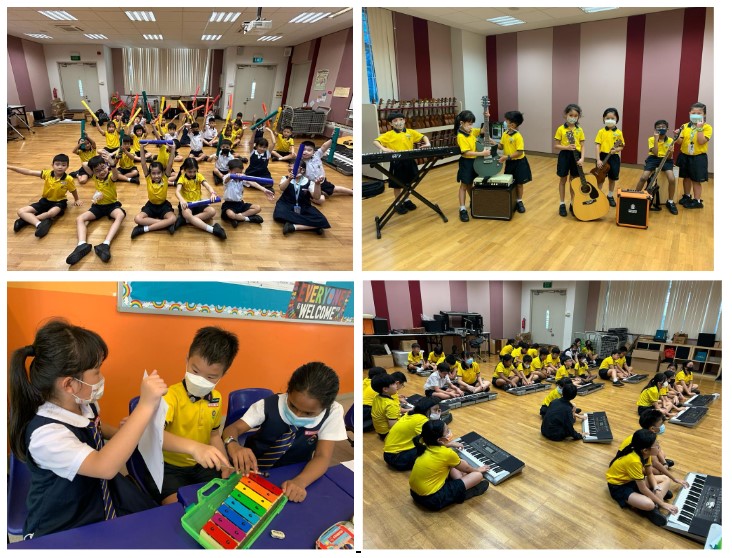
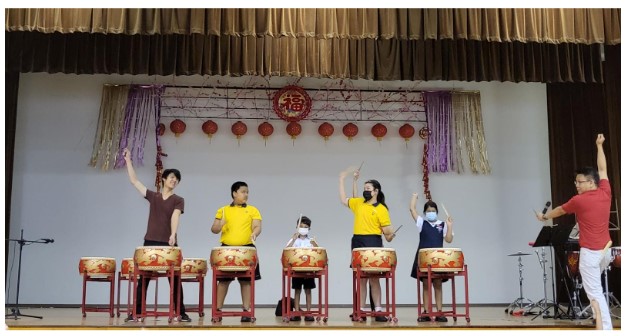
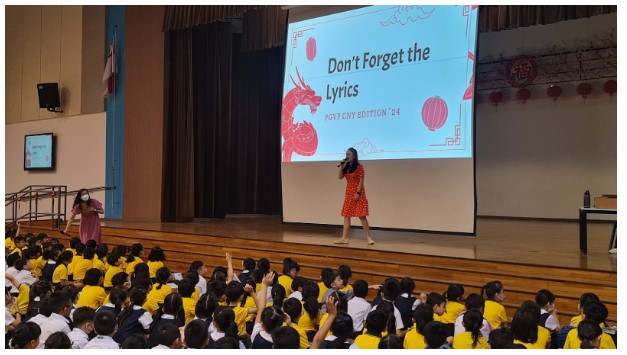
Assembly and Music Happy Hall Programmes: